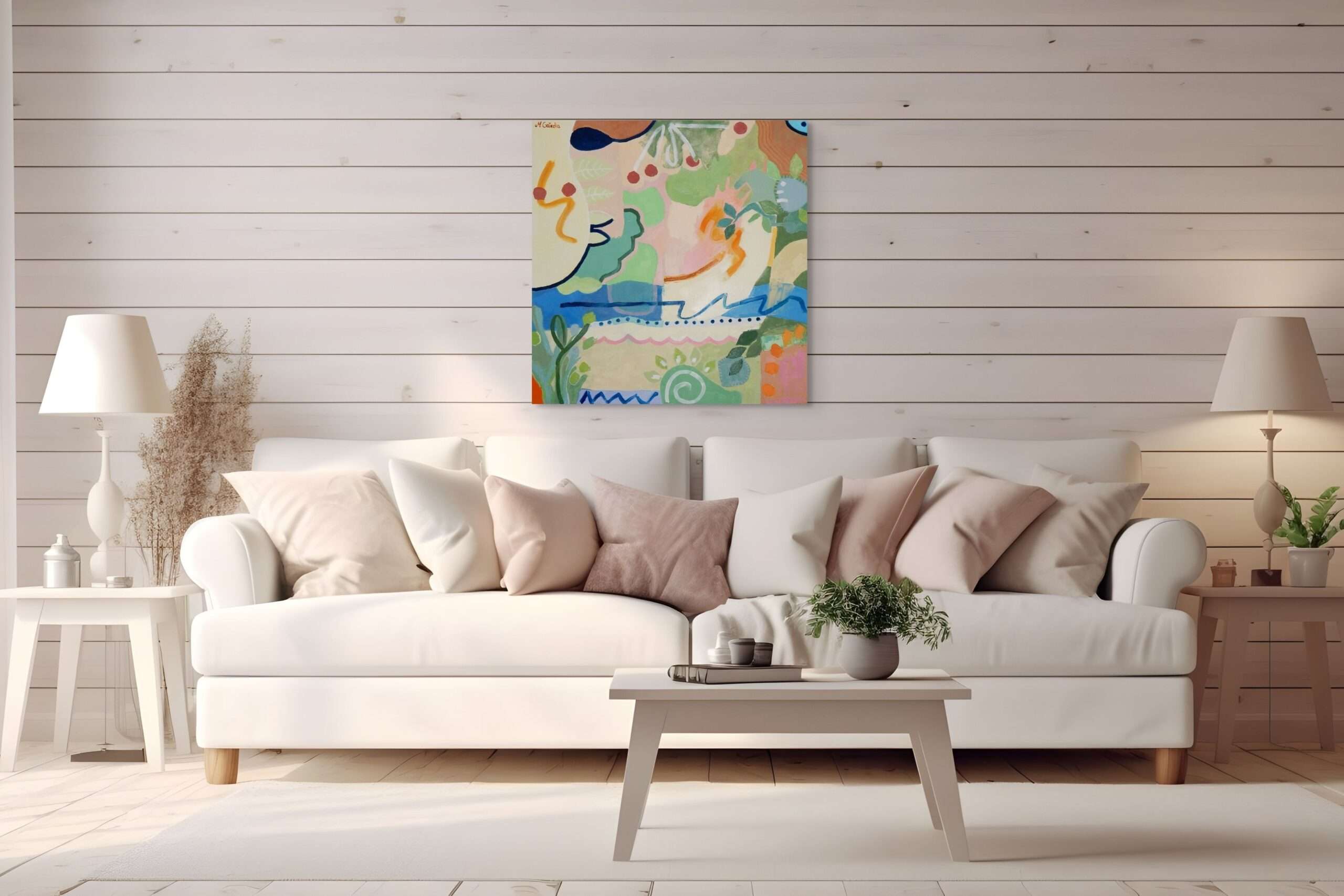
Canvas art is a unique way to enhance any interior – it brings style, personality, and warmth to a space. Whether you own an original oil painting, an acrylic on canvas, or a high-quality print, it’s important to know how to frame a canvas painting so that it looks elegant and is well protected. A carefully selected frame can emphasize the artwork’s character, harmonize it with its surroundings, and help preserve it for years to come.
Why frame canvas paintings at all?
While many contemporary artworks look great without frames – especially if they have finished edges – framing still plays a crucial role in their presentation. It’s not only about aesthetics, but also about protection. A canvas stretched on a wooden frame can warp over time, collect dust, or get accidentally damaged. A frame acts as a protective border, shielding the edges from contact and moisture, while also enhancing the artwork’s visual appeal.
Personally, I sell my original canvas paintings unframed – based on experience, I know that many collectors and clients prefer to decide for themselves how to frame a canvas painting so it suits their own space. Every interior has its own character, and the choice of frame is often a deeply personal one. That’s why I leave this creative decision up to you.
Finished edges or classic frame?
A canvas can have neatly painted or printed edges, allowing it to be displayed without a frame. This gallery-style presentation is popular in modern, minimalist interiors. The canvas can be hung directly on the wall, creating a light, clean look that focuses attention on the artwork itself.
On the other hand, framing a painting opens up many aesthetic possibilities. If you’re after a more classical, structured, or even luxurious finish, a frame can enhance the artwork’s colors, contrast, and depth. This is especially effective for expressive, colorful works with rich textures. In this context, the question of how to frame a canvas painting becomes part of your broader interior vision.
Types of frames – which one to choose?
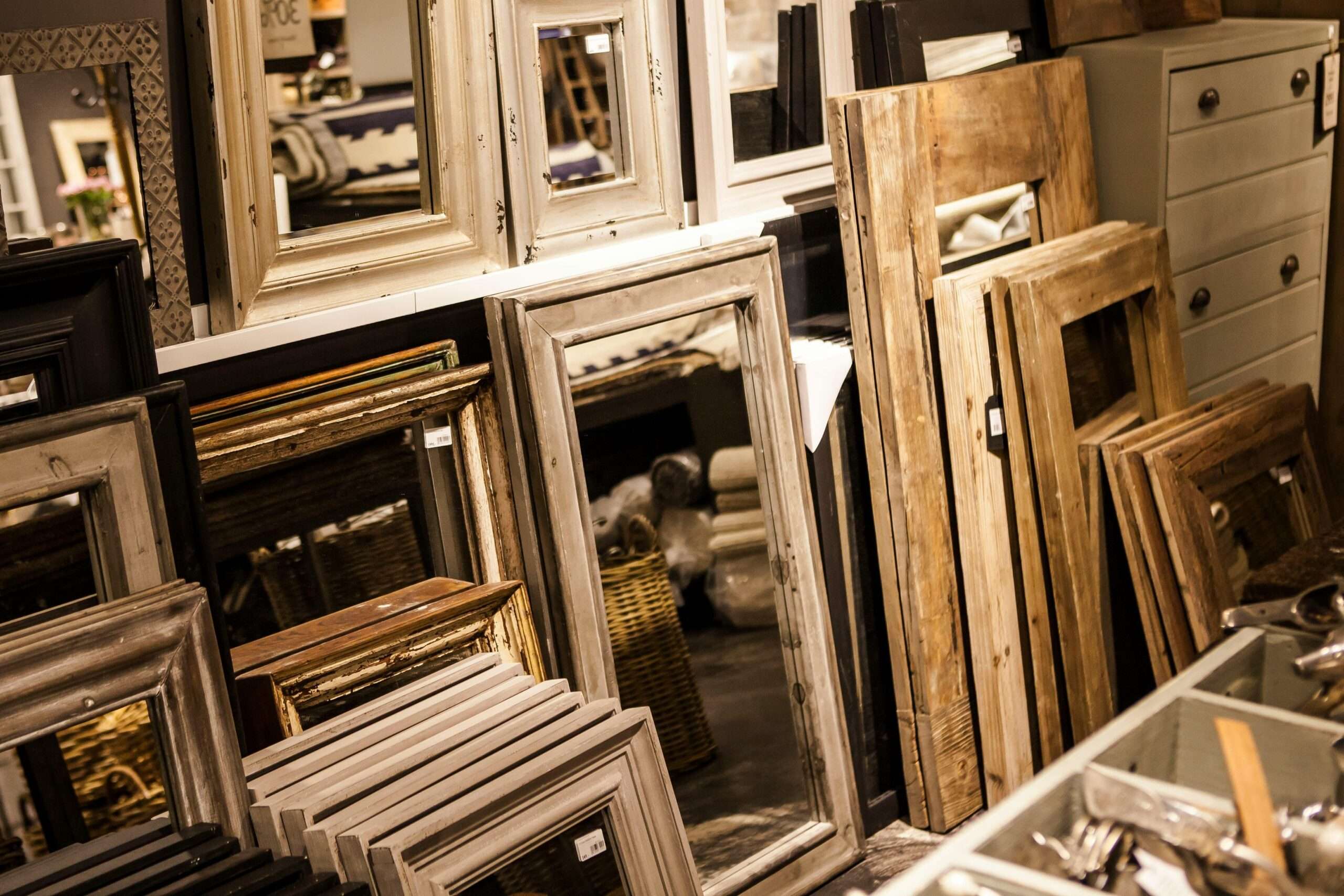
There are several popular frame types for canvas paintings, including:
Floating frames – These create a subtle gap between the canvas and the frame, giving the illusion that the artwork is “floating” inside.
Box frames – Deep, modern frames that work beautifully with large canvases and contemporary interiors.
Classic frames – Often ornate, available in various widths and finishes. Perfect for traditional settings and more formal pieces.
Minimalist frames – Thin, sleek frames in black, white, metallics, or natural wood tones. Great for modern artwork and graphic compositions.
When choosing how to frame a canvas painting, consider not just the artwork itself, but also how it will live within your space. Subject matter, color palette, and even emotional tone can help guide your framing choices.
Matching the frame to your interior
The style of your interior should influence your framing decision. Industrial spaces pair well with raw wood or metal frames. Scandinavian-inspired rooms love light wood and clean lines. Glamorous interiors benefit from metallic or gilded finishes. So if you’re wondering how to frame a canvas painting, look at the broader design around it – the goal is to find balance between artwork and environment.
A frame can act as a bold statement piece or simply complement the composition. It all depends on the atmosphere you wish to create.
Giclée prints and ready-made frames
In my shop, you’ll also find giclée prints of my original works – printed on high-quality fine art paper with great attention to detail. For paper prints, I offer a ready-made frame you can choose at checkout, so you receive an artwork that’s ready to hang the moment it arrives. It’s a great solution for those looking for elegant wall decor without the hassle of framing it themselves.
DIY or professional framing?
There are plenty of DIY frame kits and pre-made options available on the market. These work well for standard sizes and for those who enjoy hands-on projects. With a bit of care, you can achieve a clean, satisfying result.
However, if you want a gallery-quality finish, perfectly matched proportions, and long-term durability – I highly recommend using a professional framer. An expert can help you decide how to frame a canvas painting in a way that highlights its full potential, using quality materials and precise craftsmanship.